
Your Cart is Empty

How Incontinence Affects the Skin
Tips on Preventing Skin Breakdown
3 Steps to Healthy Skin
How Incontinence Affects the Skin
Urinary incontinence leaves the aging population at risk for impaired skin integrity. Exposure to urine and feces is one of the most common causes of skin breakdown and makes the skin more susceptible to the following types of injuries:
Maceration
Over-exposure to moisture can cause the skin to become macerated (waterlogged), which makes the skin very fragile. This added fragility puts the skin at greater risk for damage caused by friction, shear, and pressure. Once skin is macerated, even gentle rubbing by bed linens, diapers, and wash cloths can cause injury.
Incontinence Dermatitis
A common condition related to incontinence is incontinence dermatitis. Otherwise known as perineal dermatitis or diaper rash, this condition affects all age groups from infancy to old age. Perineal dermatitis involves the irritation and breakdown of the skin as a result of over-exposure to moisture and chemicals in urine and feces.
Bacterial Infection
Another risk associated with incontinence is bacterial growth and infection. Incontinence allows the skin's surface to come in contact with bacteria from waste products. This is particularly dangerous for the elderly whose skin may be characteristically dry. Dry skin provides an opportune breeding ground for bacterial growth since micro-organisms can be absorbed through skin cracks and fissures. When left unchecked, in a conducive environment, bacteria can literally double in number every 20 minutes!
Exposure To Caustic Agents
One of the caustic agents contained in urine is ammonia. Ammonia increases the pH of the skin causing irritation. Ammonia is also used by bacteria as a source of nutrition, contributing to the reproduction of more micro-organisms. Without proper treatment, the cycle goes on and on. Individuals with fecal incontinence are at an even higher level of risk for bacterial colonization of the skin.
Fungal Infection
The damp, warm skin environment generally associated with incontinence is ideal for the proliferation of pathogenic fungi. A skin rash that is fiery red, itches, and burns is usually of fungal origin, and requires treatment with an anti-fungal agent in order to heal.

Tips on Preventing Skin Breakdown
Here are a few tips on how to prevent skin breakdown due to incontinence:
Specialized incontinence supplies that gently cleanse and protect the skin are generally superior to soap and water. Maintaining healthy skin in spite of incontinence is a goal that can be achieved!
3 Steps to Healthy Skin
Health care professionals agree that proper and consistent perineal care is essential when dealing with incontinence. Perineal refers to the area in front of the anus extending past the vagina in a female or the scrotum in a male. In order to maintain skin integrity, control odor and provide comfort, a three-step approach to incontinence care is recommended:
Cleanse
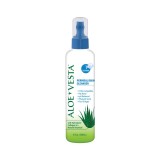
Timely cleansing of the perineal area by using gentle, but effective, cleansers is essential to maintaining skin integrity, controlling odor, and providing comfort and improved self-esteem. Perineal cleansers, such as the Aloe Vesta Perineal Skin Cleanser, are specially formulated to gently remove all urine and fecal matter from the skin and eliminate related odor caused by bacterial contamination. Appropriate cleansers for perineal skin care are non- irritating and non-drying and contain special ingredients to help gently remove dried fecal matter with minimal scrubbing. Keep in mind that in certain circumstances even washcloths can cause friction-related skin injury.
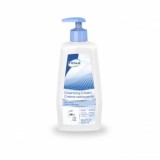
Some perineal cleansers contain emollients to help moisturize skin and avoid drying. While many skin cleansers require rinsing after use, some, like the Tena Wash Cream, are designed for bed bathing and are formulated to be used without rinsing. This no-rinse formulation and being alcohol-free are important characteristics to look for when shopping for incontinence skincare.
Condition and Protect
The second step in protecting the skin is to provide adequate protection from continued exposure to moisture, irritating fluids, friction, dryness, and bacteria. There are several types of products designed to condition and protect perineal skin: barrier ointments and creams, and barrier sprays.
While skin creams are effective skin conditioning products, they provide little protection against the damaging effects of moisture, urine and feces. Barrier ointments, creams and sprays are specifically designed to form a protective coating on the skin that minimizes skin contact with urine, feces and perspiration. Pastes and ointments, such as the Aloe Vesta Protective Ointment, provide a friction-reducing barrier between the skin and diapers or bed linens. Barrier sprays offer the advantage of application without rubbing fragile skin. Some barrier products also contain conditioning ingredients that help soothe and moisturize the skin.
Keep Dry
The best prevention against skin damage caused by incontinence is to keep the skin dry. The best disposable incontinence products have a soft top sheet next to the skin and an absorbent core which quickly wicks the moisture away and traps it there. These features help in keeping the skin dry.