
Your Cart is Empty

Types of Incontinence Products
How to Choose Incontinence Products
Washable or Disposable Undergarments: Which Is Best for Me?
Adult Diapers vs. Pull Up Underwear
Preventing Diaper Leaks
Bariatric Briefs for Larger Individuals
Protection for Fecal Incontinence
Essential Products for Bedridden Individuals or Wheelchair Users
Changing Incontinence Products
Incontinence Aids and Limited Mobility
Technology of Absorbency
Support for Those with Incontinence

Types of Incontinence Products
There are two main categories of incontinence aids to consider when choosing the right product for your needs: those worn with your own underwear and those that replace it. Within each category are a number of choices, so decide a product based on brand, cost, and special features.
Here are the types

How to Choose Incontinence Products
When you first shop for incontinence protection, you may be overwhelmed by all the different options available. How do you know which product is the right one for you? There are several things to note when selecting incontinence products:
Size – An undergarment that is either too large or too small will not be effective in managing urine leaks. That’s why it’s important to measure your waist, hips, and thighs and match it to the manufacturer’s sizing guide. You may be a medium for one brand, but a large for another brand. Extra small and bariatric products are available, although limited.
Absorbency – The type of undergarment you choose is largely based on the severity of your incontinence. If you experience light bladder leakage or dribbling, you might only need an incontinence pad. However, an adult brief, such as Tena Super Briefs, may be better if you constantly lose a large volume of urine, especially at night.
Gender-specific – A unisex diaper or underwear may not provide the best incontinence protection for the different needs of each gender. A gender-specific product, such as Depend Real Fit for Men and Prevail Underwear for Women, is designed to protect men and women where they need it most. Choosing from men and women incontinence products can provide a better fit and more comfort for your specific needs.
Cost – Incontinence supplies can be expensive, but cost shouldn’t be the sole factor when choosing a product. Besides, a cheaper diaper may indicate cheaper quality and lower performance level, so you need to change more often. Be sure to choose a product with an appropriate absorption, so you aren’t changing too often, or leaking. If you’re worried about the cost of incontinence protection, try using washable products or buying in bulk. Purchasing online instead of in stores not only provides discreet delivery, but it’ll also save you money as many suppliers offer discounts and saving plans.
Additional features to look for include: wicking capabilities for quick absorbency and better skin health; side barriers for leakage prevention; odor control and pH neutralization; a wetness indicator that shows when a product needs changing; and refastenable closures (tapes or Velcro) for adjustments and easy removal.

Washable or Disposable Undergarments: Which is Best for Me
There are many different kinds of incontinence supplies to choose from. Which undergarment product you use depends both on your unique needs and your personal preference. Start by asking yourself or your caregiver whether you should use disposable or washable absorbent undergarments.
Both options come with pros and cons, depending on your situation. For example, washable underwear tend to be quite soft and comfortable and feel very similar to regular underwear; however, they're less absorbent than disposable options and can be bulky. Washable undergarments might be right for you if you experience part-time incontinence and don't require heavy protection.
In addition to their convenience, disposable undergarments use advanced technology to absorb liquid and control odor, making them a great option for those who experience incontinence more frequently or require a high degree of absorption. Disposable products also provide more skin protection with wicking capabilities that pull fluid away from the skin.
If you still can't decide between the two, it's always possible to supplement the protection of a reusable undergarment with disposable pads or liners as needed. The best way to find out which incontinence aid best meets your needs and complements your lifestyle is to try out different kinds.

Adult Diapers vs. Pull Up Underwear
The two most absorbent incontinence undergarments are the adult diaper and the protective underwear. Understanding the differences between the two can help you choose which one best fits your needs.
Adult diapers, also known as adult briefs, are suitable for those who are limited in mobility or in the hands of a caretaker. Since they come with refastenable side tabs, adult diapers can be easily changed while sitting or lying down and without having to completely remove clothing. Adult diapers are also typically more absorbent and best for overnight protection and those with heavy to severe incontinence. Most briefs also come with a wetness indicator strip that shows caregivers when a changing is needed.
Protective underwear, also known as pull up underwear, are best for mobile individuals suffering from moderate to heavy incontinence. Dignity is also maintained as these products can be pulled up and down like regular underwear. They even look and feel like normal underwear as more manufacturers are pushing towards more form-fitting protective undergarments specifically designed for the special needs of men and women. Protective underwear feature breathable panels, elastic waistbands, and anti-leak guards for better comfort, a close fit, and maximum protection against leakage. For those who have caretakers, yet don’t want to wear a diaper, some protective underwear, like the Tranquility Overnight Underwear, feature tear away sides, offering easy removal for caregivers, yet maintaining user dignity.
Preventing Diaper Leaks
Diaper leaks usually occur if you’re wearing the wrong type of incontinence product or are wearing one for too long. The main cause of diaper leaks is wearing the wrong size. An adult diaper or pull on underwear that is too small or too large won’t provide the best protection, so make sure to choose a product that’s well-fitted.
Another way to prevent your product from leaking is to change as soon as soiling occurs. If you wear a diaper for too long and experience frequent urination or bowel movements, two things can happen: (1) your brief can leak, and (2) you can develop painful skin rashes.
If you know that you won’t be able to change for a while, then wear a more absorbent undergarment with anti-leak guards, such as the Abena or Tranquility overnight diapers. You can also add a booster pad to the product you’re already wearing for increased absorbency. Lastly, choosing a gender-specific incontinence product may help prevent leaks since they’re designed to protect men and women where they need it most.
Bariatric Briefs for Larger Individuals
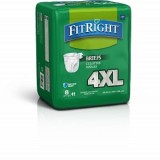
At National Incontinence, we offer eight different types of incontinence products just for larger individuals. Disposable bariatric diapers from brands such as Attends and Tena are all made of stretchable and breathable materials that offer maximum comfort and protection. Tranquility bariatric briefs feature anti-leak leg cuffs to prevent leakage from both urinary and fecal incontinence. Larger leg openings and readjustable tabs also add increased comfort and complete protection against leakage.
The largest incontinence brief we carry is the Tranquility Air-Plus brief, which fits waists 70-106”. This highly absorbent, breathable diaper holds up to 34 oz. of fluid and uses micro-hook closure tabs that allows for easy and multiple refastenings. Tranquility used to offer the Tranquility Bariatric Stretch Pants, but they have now been discontinued.
No matter your size, take comfort that you will stay well protected with our line of bariatric incontinence products.

Protection for Fecal Incontinence
An estimated 18 million Americans suffer from fecal incontinence, according to the National Institute of Health. This number may actually be much higher because many people feel embarrassed about the condition and don’t report it to their doctors. However, there is a wide selection of incontinence supplies to help manage the problem while living a comfortable life.
Disposable protective undergarments designed for nighttime use are an effective way to manage bowel incontinence. Look for products that feature anti-leak barriers for containment and elastic fabric for a secure fit and protection against messy leaks. Adult diapers with refastenable tabs offer a snug fit and easy removal for changing. Also, make sure to choose a product that offers complete odor control.
If you prefer an adult diaper or require assistance when changing, Molicare Super Plus Briefs have anti-leak cuffs for maximum containment and a 3-part absorbent core for added dryness and comfort. If you’re looking for pull up underwear, Protection Plus underwear also features anti-leak guards for containment and a breathable outer layer for better skin health. Abena, Tena, and Tranquility all make quality disposable undergarments for effective protection against fecal incontinence.
With the help of protective undergarments, individuals experiencing stool incontinence can be rest assured that they will stay comfortable and well protected.

Essential Products for Bedridden Individuals or Wheelchair Users
Bedridden individuals and wheelchair users usually stay in one position for long hours at a time. This means that they’re at high risk for skin breakdown, diaper rashes, and bedsores, especially if they experience urinary or fecal incontinence. In addition to repositioning and cleaning often, choosing the right incontinence product is essential in protecting against leakage and skin infections for these individuals.
A highly absorbent, adult diaper with refastenable tabs and a wetness indicator strip make it easy for caregivers to change the individuals without having to completely remove clothing. Choose breathable adult diapers that come with moisture wicking capabilities for diaper comfort and skin protection. Abena and Tranquility make some of the most absorbent adult diapers, perfect for frequent urination at night and adult bedwetting.
Another essential product for bedbound individuals and wheelchair users is a soap-free moisturizing cleanser. Since these individuals are limited in mobility, their skin can become highly sensitive. The Tena Wash Cream is a gentle solution that can easily be wiped on and off.
Reusable bed pads with straps are another product that not only protects the skin from moisture, but also makes wheelchair transferring and bed rolling easier for caregivers. These machine-washable pads feature four layers for maximum absorbency and protection against leakage.
Changing Incontinence Products
The amount of times you change your product depends on how absorbent your diaper or pull up is and the severity of your incontinence. Generally, it’s best to change a product as soon as soiling occurs, especially if you have a bowel movement. This will reduce the risk of skin breakdown and infections caused by a lack of air flow, moist conditions, and long exposure to urine and fecal matter. Many adult briefs contain wetness indicators that tell you or your caregiver when you need to be changed. If you don’t have easy access to a bathroom, wear a more absorbent product, such as Tranquility ATN, with moisture wicking capabilities and complete odor control.
With each change, it’s important to thoroughly clean the diaper area to reduce infections. The skin should be cleansed, moisturized, and protected. Disposable washcloths, like the Tena washcloths, are convenient because they’re easy to use and can be used for gentle perineal care. Rinse-free cleansers, such as the Tena Wash Cream, can easily be wiped on and off and moisturizes and protects even the most delicate skin.
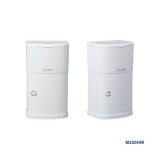
After changing, it’s important to properly dispose of your soiled incontinence products. The Janibell Adult Diaper Disposal System makes disposal of used diapers and pull ups easy, discreet, and hygienic. With a rubber seal around the diaper disposal’s trap door, urine and fecal odors are well-controlled. You also won’t have to make multiple trips to the dumpsters as this diaper pail is large enough to fit at least 10 adult briefs – no matter the size.

Incontinence Aids and Limited Mobility
With aging comes many bodily changes, including slower reaction time; difficulty seeing, hearing, or remembering; and, for some people, loss of bowel or bladder control. Aging of the sphincter muscle, which is the opening and closing mechanism in the rectum that regulates waste passage, can result in less effective control and subsequent accidents. Also, the tone of the muscles and ligaments that define the pelvic floor can diminish with age, contributing to bladder or bowel incontinence. Impaired neuromuscular control as a result of stroke or other medical conditions (ie. multiple sclerosis, arthritis, and Parkinson's disease) can lead to these problems as well.
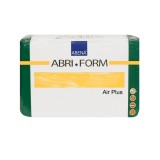
Undergarments equipped to handle either regular or sudden bowel movements or loss of bladder control are an integral part of maintaining quality of life for older individuals experiencing incontinence, especially those who need the help of a caregiver. The Abena Abri-Form Brief is one example. This adult diaper is available in a variety of absorbencies, all of which provide a high degree of protection, easy changing for those with caregivers or limited mobility, and a soft, woven backsheet for wearer comfort and dignity—which is well-deserved.

Technology of Absorbency
The technology of incontinence protection has improved over the years. While discretion and wearability will always be important, what's even more crucial for those with incontinence is their effectiveness at drawing moisture away from the body and keeping odors at bay. After all, maintaining skin health by keeping the perineal area dry and making sure the smell of urine or feces doesn't become noticeable to others are essential to maintaining quality of life - both physical and emotional.
The Peach Mat absorbent core found in Tranquility diapers is an example of the advanced technology being used in today's incontinence products. The peach-colored mat inside the shell is actually a contoured absorbent core that's designed to provide odor control and maximum protection against wetness by neutralizing the pH of urine. Molicare products also boast a high-tech three-part absorbent core, and Prevail pads and underwear contain a "Quick Wick" strip that's designed to quickly pull moisture away from the body.
No matter which incontinence product you choose, rest assured that the technology used by each will help keep you comfortable, dry, and confident.

Support for Those with Incontinence
It's a hard reality that aging often brings some degree of decline, be it in energy level, mobility, overall health, or independence. While old age isn't necessarily accompanied by incontinence, it's certainly not an uncommon problem.
For some people, decreased bladder or bowel control is symbolic of decline. This can spark a number of emotions, including embarrassment, fear, and frustration. The good news is that there is help available, from products designed to deal with the physical effects of incontinence to emotional support networks. While it is important to take measures to deal with the physical manifestations of incontinence, the individual's emotional needs are often overlooked. Incontinence can cause anxiety, resulting in social avoidance, fear of intimacy, and depression.
If you experience a loss of bladder control, seeking emotional support is just as important as discussing treatment options with your healthcare provider. When dealing with difficult situations, one of the biggest comforts is knowing you're not alone. One of the greatest advantages of the Internet is the ability it gives users to connect with others who face the problem of incontinence.
Check out the following resources for incontinence help: